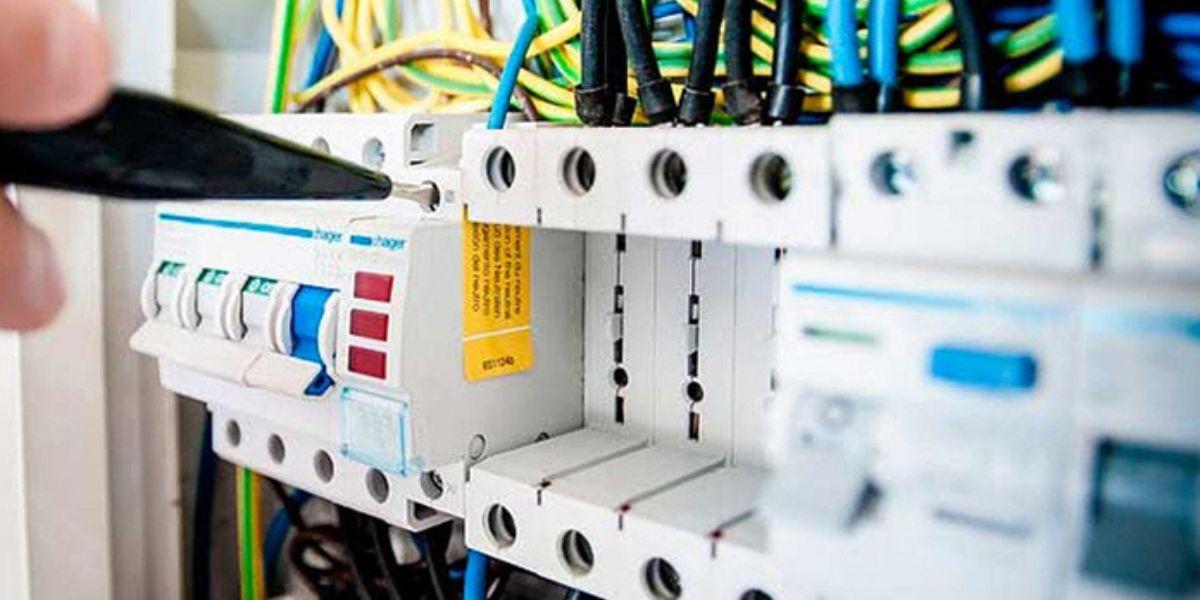
How does a residual current device work? Everything about this electrical device.
In the world of electricity and home safety, one of the essential components is the residual current device (RCD). In this article, we will thoroughly explore how this crucial device works, providing clarity on its importance and operation.
From basic concepts to their role in protection against electric shocks, here you will find all the information you need about residual current devices.
What is a Differential Switch and How Does it Fulfill its Function?
A residual current device, also known as a ground fault circuit interrupter, stands as a defensive fortress in electrical systems. Its main mission is to detect any current leakage to ground and take instant measures to disconnect the circuit, thereby minimizing the risks of electric shocks and their potentially fatal consequences.
Detailed Operation of the Differential Switch Step by Step
In order to understand as clearly as possible how a residual current device works, we have prepared a step-by-step explanation that shows the operation of this electrical device from the moment it detects electrical impulses, the analysis it performs of the electric current, to its automatic action of cutting off the current.
1. Advanced Detection of Leakage Currents:
The differential switch performs its primary function by meticulously monitoring the currents that enter and exit an electrical circuit. Its task is to compare these currents to identify any significant discrepancies.
If a difference in these currents is observed, alarms are triggered, as this could indicate a ground current leak. This step is crucial to initiate the process of protection against electric shocks.
2. Toroidal Coil and Differential Transformer:
The differential switch performs its primary function by meticulously monitoring the currents that enter and exit an electrical circuit. Its task is to compare these currents to identify any significant discrepancies.
If a difference in these currents is observed, alarms are triggered, as this could indicate a ground current leak. This step is crucial to initiate the protection process against electric shocks.
3. Detection of Imbalance:
When the transformer identifies a significant disparity between incoming and outgoing currents, it emits an alert signal to the tripping mechanism. This detection of imbalances is essential for distinguishing a current leak from the normal flow of electricity. The sensitivity of this step determines the switch's ability to prevent potentially dangerous situations.
4. Generation of the Trip Signal:
The alert signal generated by the differential transformer is the starting point for the action of the tripping mechanism. This signal indicates that a ground current leak has been detected and that immediate measures need to be taken. Effective communication between the transformer and the tripping mechanism ensures a quick and precise response to any anomaly.
5. Action of the Tripping Mechanism:
The tripping mechanism comes into play quickly once it receives the alert signal. Its main task is to open the affected electrical circuit, which interrupts the flow of current. This action is executed in an extremely short time and is crucial to prevent current from flowing through a faulty path. The speed and effectiveness of the tripping mechanism are essential to prevent electrical accidents.
6. Disconnection and Safety:
The disconnection of the electrical circuit is the direct result of the action of the tripping mechanism. By opening the circuit, it prevents current from flowing to the area where the current leak was detected. This instantaneous disconnection eliminates the possibility of people or devices being exposed to a potentially dangerous electric shock. The disconnection is the successful culmination of the entire protection process of the residual current device, ensuring an electrically safe environment.
What types of Differential Switches exist?
AC Differential Switch: Alternating Current
The type AC residual current device is the most common model and is suitable for most residential applications. It is designed to detect ground leakage currents in alternating current (AC) circuits and provide basic protection against electric shocks.
Recommended Use:
This type of switch is ideal for homes and small offices where alternating current systems prevail. It provides essential protection against current leaks and is easily installable in most electrical configurations.
Type A Differential Switch: Expanded Sensitivity
Type A residual current devices go a step further by including improved sensitivity. They can detect smaller leakage currents, even those that might go unnoticed by standard type AC circuit breakers.
Recommended Use:
These switches are suitable for environments where sensitive electronic devices and complex electrical systems are used. They are also an excellent choice in places where more comprehensive protection against electric shocks is required.
Type B Residual Current Device: Extreme Versatility
Type B residual current devices are extremely sensitive and versatile. They are designed to detect leakage currents in various forms, including direct and pulsating currents. This makes them suitable for industrial and medical applications.
In addition, they are specifically designed for installation in electrical circuits that incorporate electric vehicle chargers, with the aim of providing high safety and protection for both the installation and the vehicle.
Recommended Use:
In environments where precise detection of leakage currents is crucial, such as laboratories, medical facilities, and industrial settings, type B circuit breakers become the ideal choice due to their ability to address various current conditions.
Type F Differential Switch: Protection Against High-Frequency Currents
Type F residual current devices are specifically designed to address high-frequency currents generated by electronic equipment, such as frequency converters and uninterruptible power supply (UPS) systems.
Recommended Use:
In environments where high-frequency electronic equipment is common, such as data centers and advanced industrial applications, type F circuit breakers provide effective protection against electric shocks generated by these high-frequency sources.
Selective Differential Switch: Protection Coordination
Selective residual current devices are used in more complex electrical systems, where it is essential to achieve efficient protection coordination among several cutting devices. They are used to ensure that only the circuit with the fault is disconnected, minimizing unwanted interruptions.
Recommended Use:
In electrical installations where a stepped and selective protection is sought, such as in large-scale electrical distribution systems or critical installations, selective circuit breakers play an essential role in preventing unnecessary interruptions.
Crucial Role in Electrical Safety
The importance of the residual current device cannot be underestimated. Beyond being a mere device, it acts as a vigilant guardian of electrical safety. Its ability to prevent potential accidents and protect both people and electronic devices is a fundamental pillar in any electrical system.
Tips for Effective Maintenance and Use
Calibration and Periodic Testing: To ensure optimal operation, it is essential to subject the differential switch to regular tests. Use the built-in test button to simulate a leak and evaluate the device's response.
Professional Installation and Current Regulations: The installation of a differential switch should be carried out by a certified electrician. Also, make sure that the device complies with current electrical regulations and standards.
Updates and Changing Environment: Stay updated with the latest electrical safety regulations. Whenever necessary, consider upgrading your differential switches to ensure they meet current standards.