How to cover heating pipes?
4 minutes of reading
By GroupSumi
October 6, 2023
At GroupSumi, we understand the importance of keeping a home warm and energy-efficient. One of the key aspects to achieve this is learning how to properly insulate heating pipes.
At GroupSumi, we understand the importance of keeping a home warm and energy-efficient. One of the key aspects to achieve this is learning how to properly cover the heating pipes.
In this guide, we will provide you with detailed information and practical tips to ensure that your heating system operates optimally, keeping your home comfortable and reducing your energy costs.
Why is it important to cover heating pipes?
Insulating heating pipes is essential for several reasons:
Energy Efficiency
The heat lost through uninsulated heating pipes can result in significant waste of energy and money. By properly insulating these pipes, you will prevent heat from escaping and keep your home warm with less effort from your heating system.
Safety
Hot heating pipes can be dangerous, especially if you have children or pets at home. Proper insulation not only protects your family from burns but also extends the lifespan of the pipes by preventing premature wear.
Thermal Comfort
A well-insulated home is more comfortable. By preventing heat loss, you can maintain a constant temperature in your home, avoiding the discomfort caused by cold drafts.
The 3 Ways to Cover Heating Pipes
📌 Option 1: Cover the Pipes with Paint
The technique of covering the pipes with paint involves the use of a specialized thermal paint that has been specifically designed to keep heat inside the heating pipes instead of allowing it to dissipate into the environment.
This paint is formulated with insulating properties that act as a thermal barrier, significantly reducing heat loss.
Advantages of Using Thermal Paint
Effective Insulation: Thermal paint provides high-performance insulation, preventing heat from escaping from the pipes and ensuring it reaches the desired areas of your home.
Energy Savings: By minimizing heat loss, your heating system will operate more efficiently, which will result in lower fuel or electricity consumption and, ultimately, savings on your energy bills.
Personalized Aesthetics: In addition to its thermal function, thermal paint is often available in a variety of colors and finishes, allowing you to customize the appearance of your heating pipes to seamlessly integrate with your home decor.
Durability: Thermal paint is resistant to wear and corrosion, ensuring a long lifespan and lasting protection for your heating pipes.
📌 Option 2: Hide them in the Home Wall
The idea behind this option is to hide the heating pipes inside the walls, so that they are not visible in any room. This is achieved by installing pipe ducts within the wall structure and strategically distributing the heat.
This approach benefits from the thermal conductivity of the walls, allowing for an even distribution of heat throughout the house.
Advantages of Hiding Heating Pipes
Cleaner Space: By hiding the pipes in the wall, you will eliminate the need for visible radiators or pipes, resulting in a cleaner and more uncluttered space in your rooms.
Uniform Heat Distribution: This method allows for a more uniform distribution of heat throughout the house, eliminating cold spots and ensuring a comfortable environment everywhere.
Custom Design: You can customize the design of your home without worrying about the visible heating elements, which gives you greater flexibility in decoration.
Space Saving: By removing radiators and visible pipes, you will gain additional space in your rooms that was previously occupied by these elements.
📌 Option 3: Use Ducts to Cover Pipes
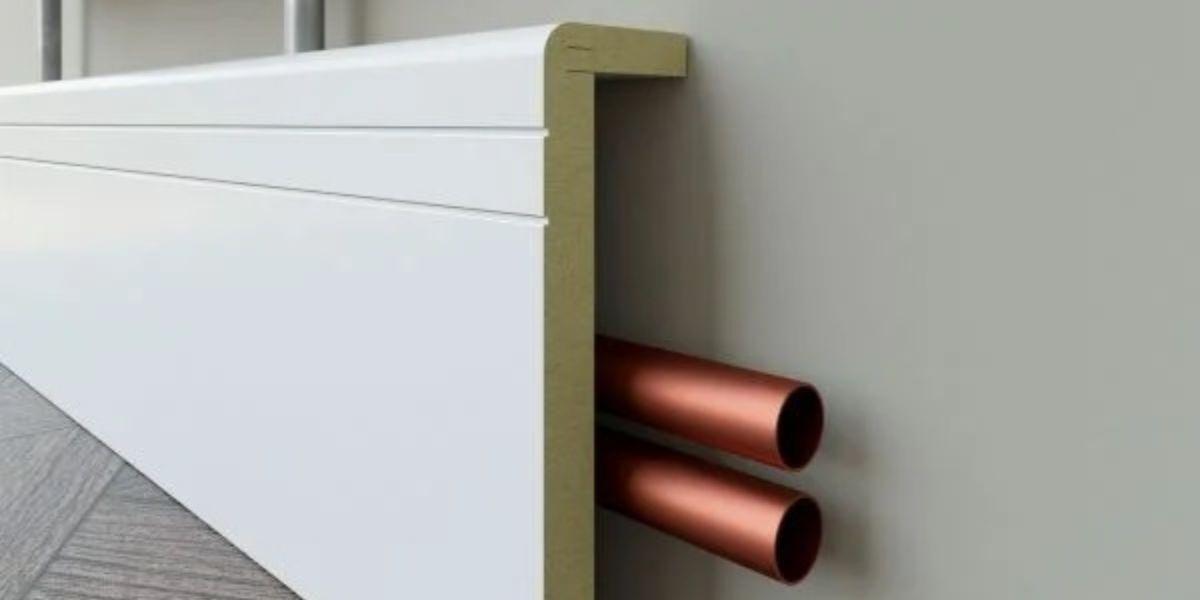
The option of using ducts to cover pipes involves the installation of specially designed conduits or ducts that completely cover the heating pipes. These ducts are made from insulating materials that help retain heat and prevent its dissipation. Although they are often used for wiring, one of their applications is usually to cover pipes.
In addition, their aesthetic design allows them to blend harmoniously with your home's decor.
If you choose this 3rd option, we have one of the largest varieties available in the offer of Channels for Installation.
Advantages of Using Ducts to Cover Pipes
Effective Insulation: The ducts effectively insulate the heating pipes, preventing heat loss and ensuring that it reaches the desired areas of your home.
Aesthetic Aspect: These conduits are usually available in a variety of colors and styles, allowing you to choose an option that perfectly fits the aesthetic of your home.
Easy Installation: The installation of ducts is relatively simple and does not require major construction, which minimizes the inconvenience in your home.
Reduced Maintenance: Once installed, the ducts require minimal maintenance and retain their appearance and functionality over time.
Steps to Use Ducts to Cover Pipes
Measurement and Design: We must measure the length of the heating pipes you wish to cover and choose the type of channel that best suits your needs. This way, we will know both the meters to purchase and the reference we will need.
Installation of Ducts: Place the ducts over the heating pipes, ensuring that they fit snugly and completely cover the pipes. Once we have presented the installation, we will need to anchor them to the wall to keep them fixed.
Adjustments and Finishes: Make the necessary adjustments so that the ducts integrate with your home decor. You can paint them or customize them according to your preference, although some manufacturers include different finishes in their catalog.
Verification: Make sure that the ducts are properly installed and do not have gaps where heat can escape. Additionally, we recommend that there be a certain space between the pipes and the duct to avoid overheating.
Returns within 30 days
Shop with peace of mind. If something goes wrong, we'll take care of it.
After-sales service
Any questions? Our support team will be happy to help you.
Pay how and when you want
Card, bank transfer, PayPal... Installment? We have them all.
GroupSumi is your online distributor for construction, electrical material and climate control.





All rights reserved © 2026 GroupSumi