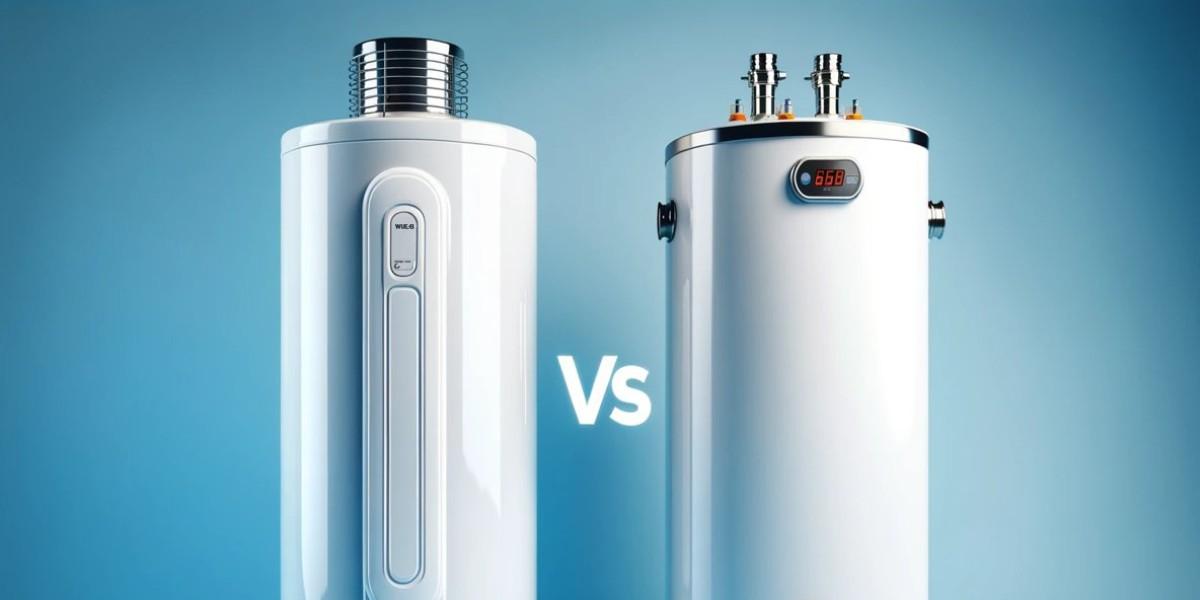
When it comes to choosingwater heating systems for the home, one of the most frequently asked questions among consumers is: Whatwhat is better, electric or gas heaterThis decision not only affects daily comfort but also the family budget and environmental impact.
In this article, we will analyze thepros and cons of each type of heater, focusing on key aspects such as efficiency, installation cost, maintenance, and environmental impact, to help you decide which is better, gas or electric heater, according to your needs and preferences.
Electric or gas heater: Key aspects to consider
Energy Efficiency and Operating Cost
Which offers greater efficiency?
Thegas or electric heaterselectric water heatersusually have an energy efficiency close to 100%because they convert almost all the energy they consume into heat. In contrast, thegas heaters, although they are efficient, they lose some energy in the form of exhaust gases. However, the operating cost will largely depend on thelocal prices of gas and electricity.
In general, although the electric heater is more efficient,natural gas is often cheaper in many regions, which makes the gas heater potentially more attractive in terms of operating costs.
Installation and maintenance costs
When considering what is better, a gas or electric heater, it is essentialto evaluate the installation cost.
Thegas heaters generally require a more complex installation, including proper ventilation and secure gas connections, which can increase the initial cost.
On the other hand,electric water heaters are easier and cheaper to install, since they only require an electrical power source.
In terms of maintenance, electric heaters usually require less attention than gas ones. Gas systems need periodic inspections to verify the integrity of gas connections and ventilation, while electric ones require fewer checks and, therefore, may have a lower long-term maintenance cost.
Environmental impact
The environmental impact is another crucial aspect to consider when deciding between an electric or gas heater.
Theelectric heaters are considered more environmentally friendlyif the electricity comes from renewable sources, as they do not produce direct emissions. In contrast,gas heaters emit CO2 and other greenhouse gases. However, the carbon footprint of electric heaters significantly depends on how electricity is generated in your region.
👉Discover: How to save with an electric water heater?
Comfort and reliability
Comfort and reliability are essential when choosing between a gas or electric water heater.Gas water heaters provide hot water more quickly. and can continue to operate during power outages, making them very reliable in areas prone to electricity supply interruptions.
On the other hand, electric heaters, although they may take a little longer to heat the water, offer simpler operation and are less prone to operational issues.how long it takes to heat an electric water heater.
Capacity and needs of the home
The choice between an electric or gas heater should also be based on the specific needs of your home.If your hot water consumption is high, a gas heater may be more suitable.due to its ability to heat water quickly in large quantities.
For homes with lower hot water demandor where energy efficiency and environmental impact are priorities,an electric heater could be the best option.
Our recommendations for electric and gas heaters
Hydronext 5600 S sealed heater
Brand: JUNKERS BOSCH
Buy now
Natural Gas Water Heater 12 Liters
Brand: AKUA
Buy now
Butane Gas Water Heater 12 Liters
Brand: AKUA
Buy now
👉 What gas heater to buy: Buying guide
Conclusion
The decision about what is better, gas or electric water heater, depends on several factors, including your personal preferences, the needs of your home, operating costs, energy efficiency, environmental impact, and initial budget.
While gas heaters offer speed and potentially lower operating costs, electric heaters stand out for their simplicity, lower environmental impact, and ease of installation.
When considering all these variables, it is essential to evaluate which one aligns best with your priorities. Remember,the most suitable choice is the one that meets your comfort needs and fits your budget, while contributing to your energy efficiency and environmental responsibility goals.
Frequently Asked Questions (FAQs)
What is the main advantage of an electric heater over a gas one?
The main advantage of an electric heater is its energy efficiency, as it converts almost all the energy it consumes into heat. Additionally, its installation and maintenance are simpler and more economical compared to gas heaters.
Can gas heaters operate during a power outage?
Yes, most gas water heaters can operate during power outages, as they do not rely on electrical energy to heat water. This makes them especially reliable in areas prone to power supply interruptions.
Which heater is more environmentally friendly: electric or gas?
Electric heaters are generally considered more environmentally friendly if the electricity comes from renewable sources, as they do not generate direct emissions. However, the environmental impact of electric heaters also depends on how electricity is produced in your area. Gas heaters, on the other hand, emit greenhouse gases directly into the environment.
What type of heater is more suitable for a large home with high hot water demand?
For large homes with high hot water demand, a gas heater is usually more suitable due to its ability to heat water quickly in large volumes.
How do energy prices affect the choice between a gas heater and an electric one?
Local prices of electricity and natural gas can significantly influence the operating cost of heaters. Although electric heaters are more efficient, natural gas can be more economical in many areas, making gas heaters a more attractive option from an operating cost perspective.
Is it difficult to switch from a gas water heater to an electric one?
Switching from a gas heater to an electric one may require some modifications to your home's electrical installation to ensure it can handle the additional load. However, the simplicity of the electrical installation makes this process relatively straightforward with the help of a qualified professional.