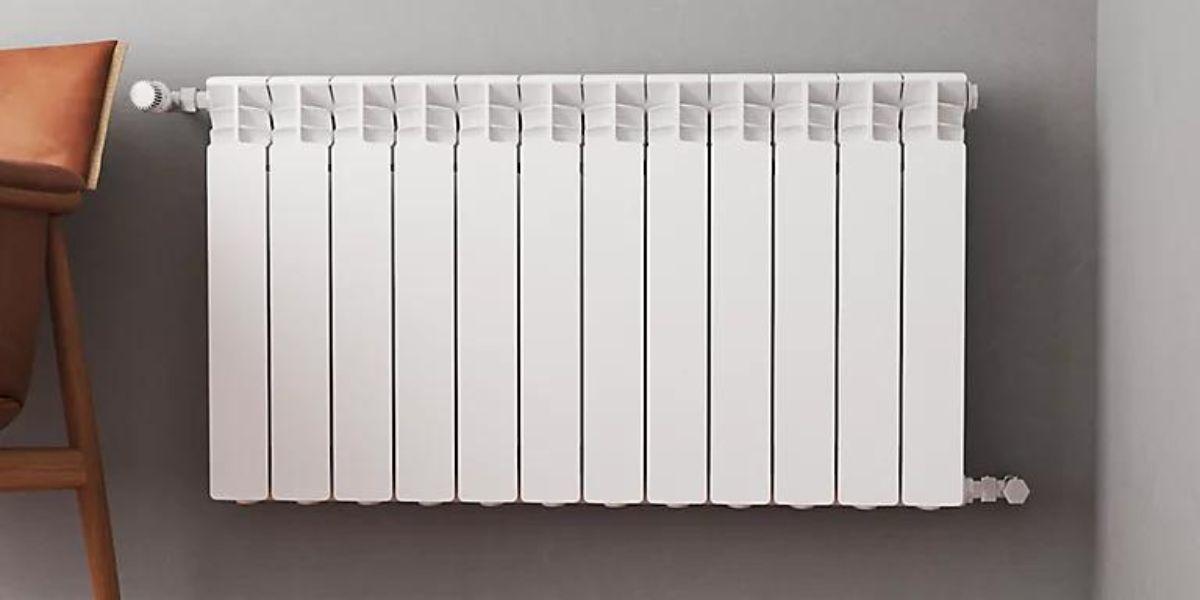
What to Know About Radiators
Before delving into the parts of a radiator, it is crucial to understand the context in which they operate. Radiators are essential elements in heating and cooling systems, used in a wide variety of environments, from homes to industrial facilities. Their basic operation involves the conversion of thermal energy into heat, which allows for maintaining comfortable temperatures in environments. These devices stand out for their efficiency and versatility, as they can use different heat sources, such as hot water, steam, or thermal oil, to achieve their purpose.
The 4 Main Parts of a Radiator
Whether they are parts for water radiators or heating, we detail all of them.
Valve
The valve is a central component in the operation of a radiator. It is responsible for regulating the flow of hot water entering the radiator. Manual valves allow the user direct control over the amount of heat emitted, while thermostatic valves can automatically adjust based on the ambient temperature. The latter is especially useful for maintaining a constant climate in the room, preventing overheating.
Holder
The flow control valves are commonly used in single-pipe radiators. Their function is to regulate the flow of water in each radiator, allowing for more precise temperature control in different rooms. Through the flow control valve, the amount of hot water entering the radiator can be adjusted, which is essential for balancing the temperature throughout the heating system.
Purge valve
Although small in size, the bleeder plays an essential role in the radiator's performance. Its main function is to release trapped air in the system, which, otherwise, could hinder the proper circulation of hot water. Regularly bleeding the radiator ensures efficient and uniform heat emission.
Thermostatic Heads
Thermostatic heads are devices that allow you to set and maintain the desired temperature in a room automatically. By detecting changes in the ambient temperature, they automatically regulate the flow of hot water. This not only ensures constant comfort but also helps save energy by preventing excessive heating and resource waste.
Find all these Radiator Accessories at the best price and with a wide variety of options.
Other Components of Radiators
In addition to the main parts mentioned above, radiators can incorporate other elements that vary according to the type and design of the radiator:
Connectors or Joints: Connectors are key pieces in central heating systems that consist of multiple radiators. These components allow the radiators to be connected in series, ensuring that hot water flows efficiently throughout the system. Connectors also facilitate the uniform distribution of heat throughout the building.
Reductions: Reductions are accessories used to connect pipes of different diameters. By adapting the pipe connections, it ensures that the water flow remains constant and that the radiators receive the appropriate amount of hot water.
Drain Plug: The radiator plug is a useful piece that is used during the maintenance or repair of the radiator. By closing the plug, it prevents water from escaping the radiator while cleaning or maintenance work is being done. This makes the maintenance process safer and cleaner.
Covers or Panels: These components have an aesthetic and functional focus. Covers are accessories designed to improve the appearance of the radiator by hiding the connections and pipes. In addition to their aesthetic function, covers protect the connections from potential damage and facilitate cleaning the area around the radiator.
Supports: Supports are fastening elements that ensure the radiator is firmly attached to the wall. They guarantee the stability of the radiator and prevent unwanted movements that could damage the connections or the system as a whole.
Automatic Air Vents: Automatic air vents are devices installed in radiators to automatically remove trapped air from the system. This feature is especially useful to ensure optimal heating performance, as trapped air can reduce the efficiency of the radiator.
In which Radiators can these Parts be Installed?
These parts of radiators are used in various types of radiators according to their specific needs:
Water Radiators
Water Radiators, common in central heating systems and homes around the world, usually have all the mentioned parts. This allows for precise temperature control and energy efficiency throughout the building.
Heating Radiators (monotube)
In single-pipe heating radiators, valves are used to regulate the flow of water. These systems are characterized by a single pipe that supplies and collects the hot water.
Oil Radiators
Oil radiators are electrical devices designed to heat specific spaces. They often include thermostats and plugs to facilitate maintenance.
Towel Radiators
These radiators are commonly found in bathrooms and are designed to heat towels. They may use components similar to water radiators, but their design focuses on aesthetics and functionality in humid environments.
What to Consider When Installing the Components?
When installing the components of a radiator, it is essential to pay attention to certain aspects to ensure that the process is carried out safely and efficiently. Here are some key considerations:
Radiator alignment: Make sure the radiator is properly aligned and leveled in its location. This is crucial for its optimal functioning and to avoid problems with the pipe connections.
Shut-off system: Before starting the installation, ensure that the heating system is turned off and the water pressure is appropriate. This will prevent accidents and potential damage.
Pipes and connections: Use high-quality plumbing pipes and fittings to avoid leaks. Employ Teflon tape or thread sealant on the threads of the connections to ensure they are airtight.
Proper tightening: When tightening the valves and connections, avoid excessive force that could damage the radiator. Use appropriate tools and tighten carefully.
Radiator bleeding: After installation, bleed the radiator to remove any trapped air in the system. This is essential to ensure efficient operation.
Final adjustments: Set the control valves and thermostatic heads (if you use them) according to the heating needs of the room.